
Healthy at Every Age
How to Feel Your Best in Your 40s, 50s, 60s and Beyond
by Partner Content | Oct. 28, 2026 | 3:13 PM

Everyone’s body changes with age. As you head into your 40s and beyond, you may find you're more tired than you used to be. Maybe it takes more effort to maintain your weight. Or the workout that used to make you feel great now leaves you wondering when your knees started having their own opinions about exercise.
Still, getting older doesn’t mean you have to accept feeling tired, weak or less like yourself.
“Healthy aging isn’t about trying to turn back the clock,” says Vikas Gampa, MD, a primary care provider at MetroHealth. “It’s about making small, sustainable choices that can help you stay strong, energetic and independent in the years ahead.”
Your primary care provider can work with you to understand your changing needs. They can help you focus on things that matter most at every stage of life.
Start With the Basics
Some of the best ways to support your health don’t change much with age. Most likely, you know the drill: Eat a balanced diet with plenty of fruits, vegetables, whole foods, fiber and lean protein. Stay active. Get enough sleep. Manage stress. Avoid tobacco and limit alcohol.
As you age, your muscles deserve special attention. Muscle mass naturally tends to decline with age, which can affect your strength and metabolism. Walking, biking, swimming and yoga can keep you moving. Just as important, resistance and strength training help preserve your muscle and bone health.
You don’t have to change everything at once. Good places to start: a daily walk, adding protein to your meals or creating a more consistent sleep routine.
In Your 40s: Build for the Future
Think of your 40s as the decade to put healthy habits in place for the years ahead.
Move every day, even if it’s just a 20-minute walk. Know important numbers such as your blood pressure and cholesterol. And talk with your provider about your risk for diabetes and heart disease.
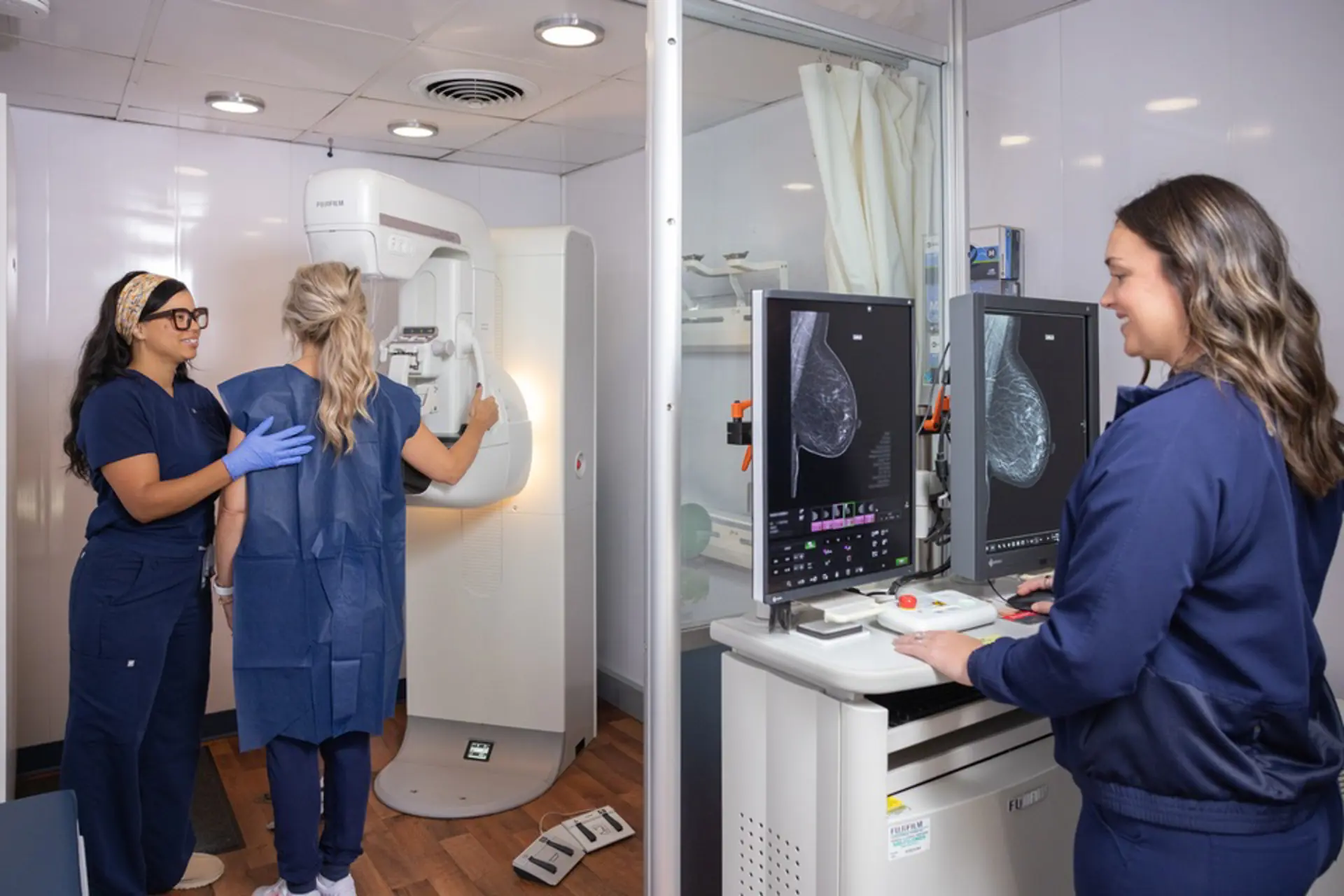
Preventive care becomes more important, too. For example, colorectal cancer screening for people at average risk begins at age 45. Your provider may recommend other cancer screenings, including:
• Breast
• Cervical
• Prostate
• Skin
The screenings you need depend on your sex, family history and other risk factors.
Your 40s are also a good time to establish a long-term relationship with a primary care provider. It’s best to do this before you need care for a serious health problem.
In Your 50s: Protect Your Strength and Energy
If the habits that worked in your 30s and 40s aren’t working as well anymore, there may be a reason. Age-related muscle loss can affect metabolism and calorie needs. Hormonal changes, including those associated with menopause, can accelerate bone loss and decrease muscle mass and strength, which makes regular exercise an important part of your routine for staying healthy as you age. Menopause can also affect sleep, energy and body composition.
For anyone in their 50s, don’t focus only on the scale. Instead, pay attention to how you feel and what your body can do. Include protein during the day to support muscle. Add strength training to your routine and find activities you enjoy enough to keep doing. And make sleep a priority.
This decade also brings added preventive care. For example, the shingles vaccine is recommended starting at age 50.
“People sometimes assume changes in weight, energy or sleep are just part of getting older,” Dr. Gampa says. “Those changes are worth discussing with your primary care provider, particularly if the changes are new or affecting your quality of life.”
In Your 60s: Stay Independent
By your 60s, healthy aging is about more than preventing disease. It becomes even more important to maintain strength, mobility and independence.
Keep moving and include strength and balance exercises in your routine. Make sure you’re getting enough protein and fiber and have regular vision and hearing checkups. This is also a good time to review your medications with your provider to make sure you understand what you’re taking and why.
Your social health matters, too. Stay active and engaged by spending time with family and friends, pursuing hobbies and participating in community activities.
If you have Medicare, their Wellness appointments help you and your primary care provider make sure you remain up to date on preventive screenings. It also gives you a chance to get the recommended vaccinations and helps you identify, prevent, and treat other cognitive and physical conditions.

In Your 70s and Beyond: Keep Doing What Matters
What does healthy aging look like in your 70s and beyond? It’s about maintaining your ability to live the life you want.
The advice is simple: Keep moving in ways that work for you. That can be strength and balance exercises, walking with friends, gardening, water exercise or chair yoga. They can all help you stay active.
Keep your mind active, too. Learn a new hobby or skill, volunteer, join a book club or simply make time to connect regularly with other people.
Talk with your provider about changes in memory, mobility or your ability to handle everyday activities. And keep the discussion going about preventive care. As you get older, decisions about some screenings may change based on your health, medical history and your specific risks and benefits.
Are you helping an aging parent stay healthy? Much of this advice applies to them, too. If you or your parent is 55 or older, MetroHealth’s Spry Senior primary care practice offers same-day appointments, help scheduling tests and specialist visits, and rides to and from appointments. Spry Senior has locations in Brook Park, Solon and Strongsville.
Make Healthy Aging Personal
There’s no single formula for aging well.
““Your primary care provider can help you look at the whole picture and decide what deserves your attention now,” Dr. Gampa says. “That includes your health history, screenings, medications, lifestyle and goals.”
Whether you’re 45, 65 or 85, you can take steps to support your health. And you don’t have to figure out which ones matter most on your own.
Ready to make a plan that fits your life? Schedule an appointment with a MetroHealth primary care provider, in person or through a virtual visit. Call 216-MY-METRO (216-696-3876) or visit metrohealth.org to get started.
This article is for general information only and isn’t a substitute for advice from your provider.
Trending
-
1
-
2
-
3
-
4
-
5